M-POX(MONKEY POX)
Monkeypox: A Growing Concern
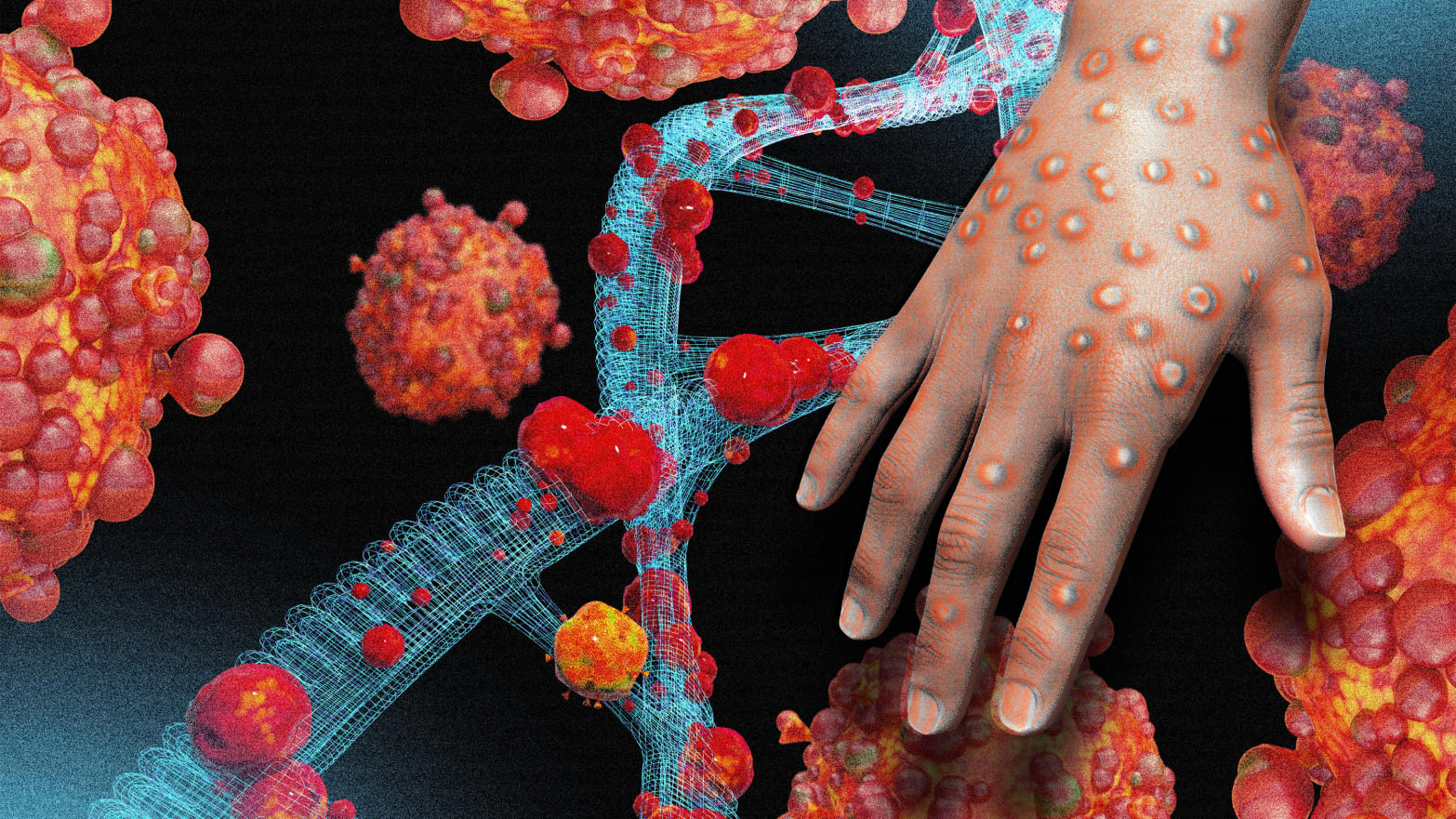
Monkeypox, a viral illness related to smallpox, has been making headlines in recent years. While it's not as contagious as smallpox, it's essential to be aware of its symptoms, transmission, and prevention measures.
What is Monkeypox?
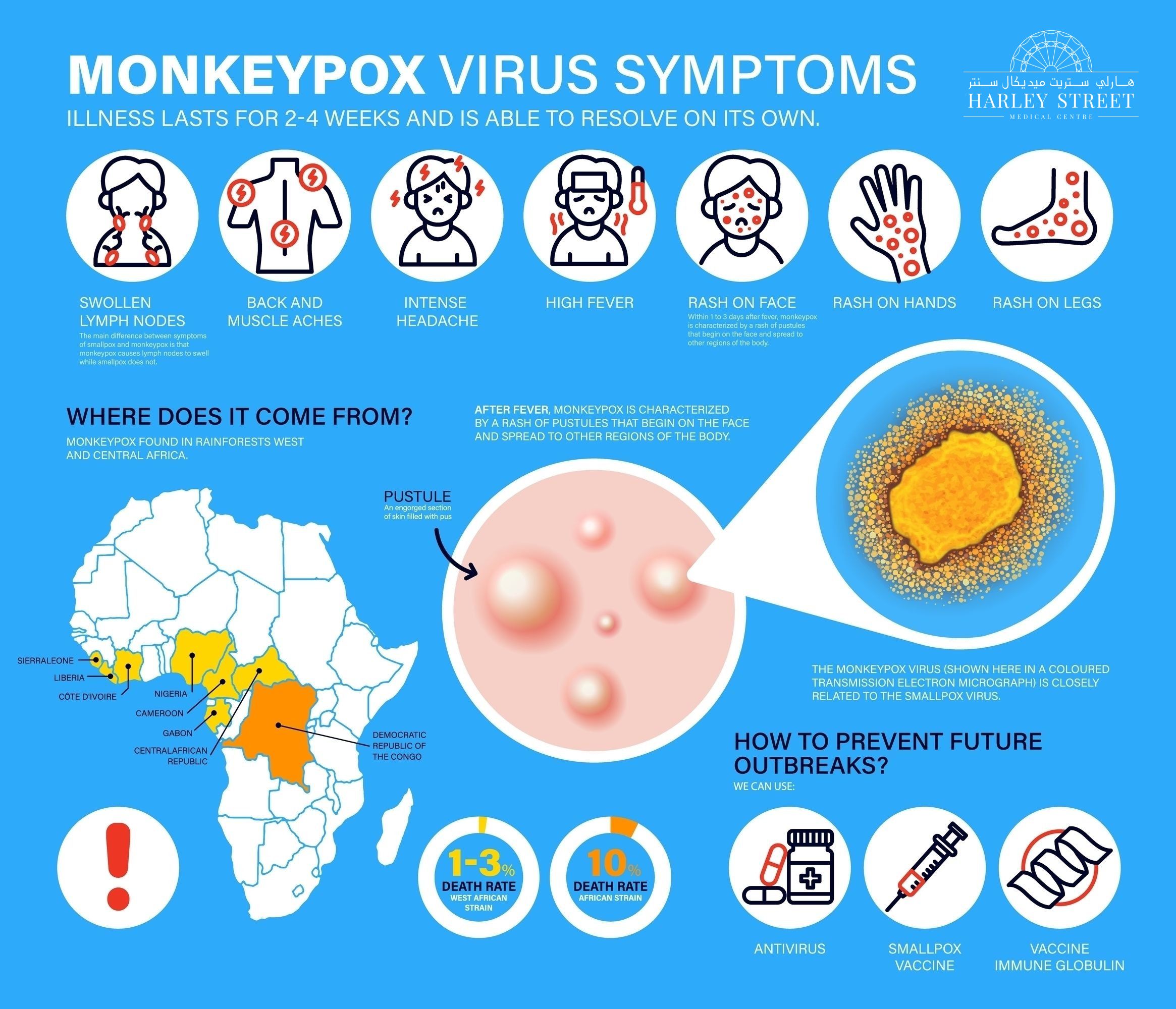
Monkeypox is a rare disease caused by the monkeypox virus. It can spread through close contact with an infected person or animal. Symptoms typically appear within 7 to 14 days after exposure and can include:
- Fever
- Headache
- Muscle aches
- Backache
- Swollen lymph nodes
- Fatigue
- Rash
The rash often starts as small, flat, red spots that may turn into blisters. These blisters can fill with clear fluid and eventually crust over. The rash can appear anywhere on the body, including the face, hands, feet, chest, abdomen, and genitals.
How Does Monkeypox Spread?
Monkeypox can spread through:
- Close contact with an infected person's rash, scabs, or bodily fluids
- Contact with contaminated materials, such as bedding or clothing
- Being bitten by an infected animal
Prevention and Precautions
While the risk of monkeypox is relatively low for most people, it's important to take precautions to prevent transmission:
- Avoid close contact with people who have a rash or are suspected of having monkeypox.
- If you have a rash or other symptoms of monkeypox, seek medical attention immediately.
- If you travel to areas where monkeypox is prevalent, be cautious and avoid contact with wild animals.
- Get vaccinated against monkeypox if you are at high risk.
Treatment
There is no specific treatment for monkeypox. However, supportive care, such as pain relievers and fluids, can help manage symptoms. In severe cases, antiviral medications may be prescribed.
Conclusion
Monkeypox is a serious illness, but with proper prevention and early diagnosis, it can be managed effectively. By understanding the symptoms, transmission, and prevention measures, you can help protect yourself and others from this disease.
Rameswar.....
Comments
Post a Comment